
The essence of The Senior Pet Serenity System, is sharing valuable knowledge that will equip aging pet owners on gentler ways of caring and home grooming.


Senior Pet First Aid: What Every Owner Should Know Before an Emergency Happens
A calm, practical guide for dog and cat owners who want to be prepared — not scared.
As dogs and cats grow older, their bodies become more vulnerable to sudden health issues. A slip, a minor injury, a moment of heat stress — things that a younger pet would recover from quickly can be much more serious for a senior.
But here’s the good news:
You don’t need to be a vet to make a big difference.
You just need to know what to do in the first few minutes.
This guide will walk you through the essential first aid steps every owner of a senior pet should know — calmly, clearly, and without overwhelm.
❤️ 1. Staying Calm Is Your First Tool
Senior pets are extremely sensitive to stress. They read your voice, your breathing, and your movements.
If you panic, they panic.
If you stay calm, they relax.
Speak softly. Move slowly.
Your calmness is part of their first aid.
🩺 2. Check the Vital Signs First
You don’t need medical training — just basic observation.
🫁 Breathing
Is it fast?
Shallow?
Laboured?
Noisy or wheezing?
💓 Pulse
The easiest place is the femoral artery — inside the back leg, high up toward the body.
A weak or thready pulse is a danger sign.
🟣 Gum Colour
Lift the lip gently.
Pale gums = shock or blood loss
Blue/purple gums = oxygen problem
Bright red gums = heatstroke or poisoning
Gum colour tells you more than most people realize.
💥 3. What to Do in Common Senior Pet Emergencies
🩸 1. Bleeding
Apply gentle pressure with gauze
Do NOT remove a pad once it’s placed — add more on top
Keep the pet calm and restrict movement
Older pets bleed more easily because skin thins with age.
🥵 2. Heat Stress (Very Common in Seniors)
Move your pet to a cool area and:
Offer small sips of water
Place cool (not cold) cloths on neck, chest, inner thighs
Do NOT use ice
Use a fan if available
Heatstroke escalates fast in older pets.
🤢 3. Vomiting or Sudden Weakness
For seniors, this is not “wait and see.”
This can be dehydration, pancreatitis, kidney distress, or something much more serious.
Call your vet immediately.
🦴 4. Mobility Collapse
If the hind legs suddenly give way:
Keep your pet lying on their side
Do not force them to stand
Support the spine
Check gum colour
Call a vet urgently
This can signal neurological issues, joint failure, or acute pain.
🧺 4. Safe Handling for Senior Dogs and Cats
This is the part most people get wrong — but it matters.
🐶 For Dogs
Support the chest and hips
Avoid twisting the spine
Keep limbs close to the body
Use a towel or blanket as a stretcher for larger dogs
🐱 For Cats
Wrap in a soft towel (“burrito wrap”) if they’re frightened
Support the whole body — cats feel safest when contained
Move slowly and predictably
Senior pets bruise easily and become frightened by sudden handling.
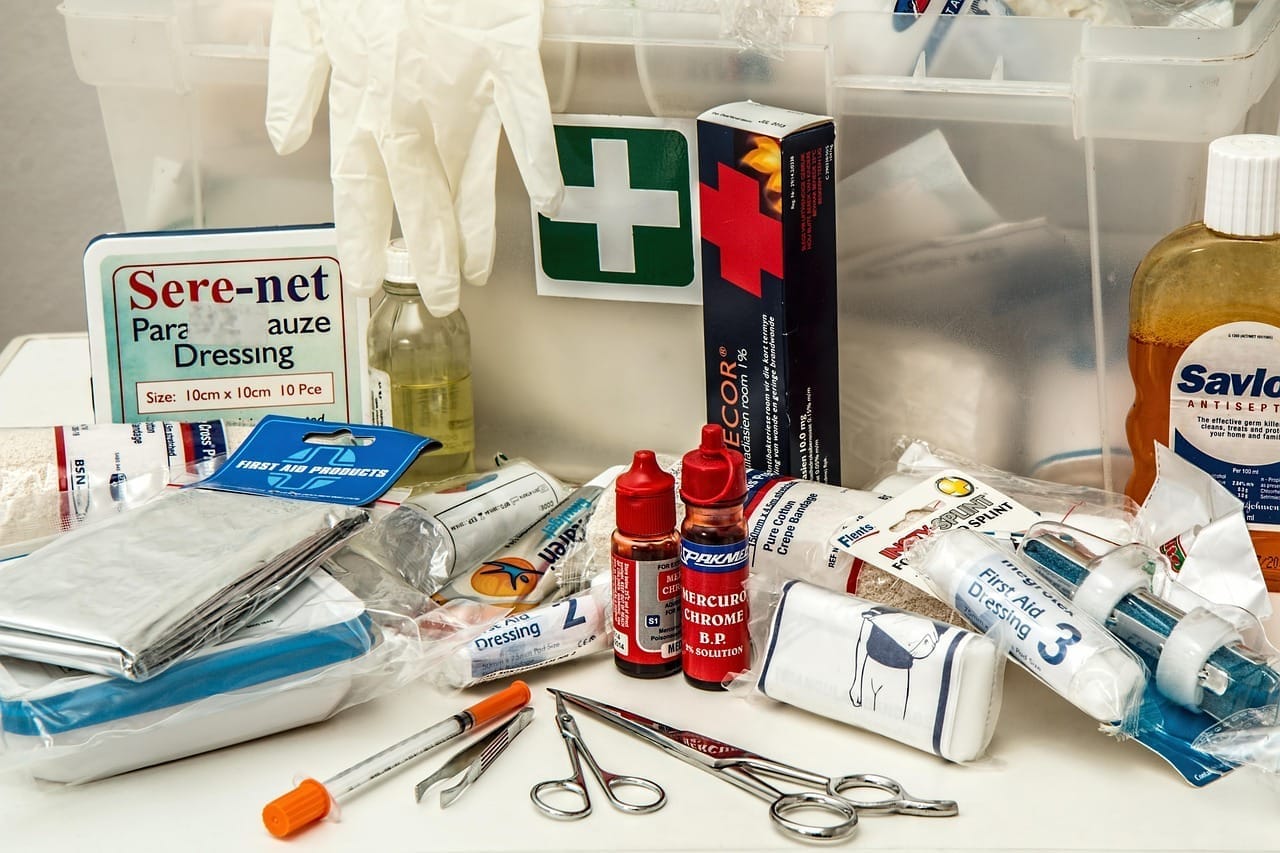
🧰 5. Build a Senior Pet First Aid Kit
Every home with an aging pet should have:
Gauze & non-stick pads
Pet-safe antiseptic
Saline solution
Digital thermometer
Tweezers
Blunt-end scissors
Gloves
Soft towel
Blanket
Vet & emergency clinic contacts
This kit gives you confidence — and gives your pet comfort.
⚠️ 6. When to Seek Immediate Veterinary Care
Call a vet immediately if your senior pet shows:
Difficulty breathing
Collapse
Seizures
Sudden paralysis
Uncontrolled bleeding
Extreme lethargy
Vomiting combined with pain
Distended abdomen
Blue, pale, or bright red gums
Senior pets decline faster — don’t wait for symptoms to “settle.
🌿 Final Thought
First aid isn’t about replacing your vet.
It’s about helping your pet feel safe, supported, and loved while you get them the help they need.
Even small things — your voice, your hands, your calmness — make a world of difference to a senior pet in distress.
Latest Posts
Discover our most recent blogs, updates, and perspectives. Stay engaged with content that informs and inspires
Why Senior Pets Suddenly Struggle With Grooming — And How You Can Help
Most pet owners notice it slowly…
Their aging dog avoids the brush.
Their old cat pulls away when touched.
Grooming sessions feel tense where they used to feel easy
The Hidden Dangers of Overgrown Nails in Senior Dogs — And Why So Many Owners Miss the Signs
Most dog owners don’t realize how much pain long nails can cause — especially in older dogs with arthritis or joint stiffness. Here’s what every owner should know.
10 Things Your Senior Pet Wishes You Knew
A heartfelt guide to understanding your aging dog or cat better than ever.This blog is warm, emotional, and highly relatable — perfect for readers who adore their senior pets and want to give them the best possible comfort.
© 2025 The Senior Pet Serenity System. All rights reserved.
This website and its content are the property of The Senior Pet Serenity System. The Senior Pet Serenity System materials are for educational purposes only and do not replace veterinary advice.
📄 Terms & Conditions | 🔒 Privacy Policy | ⚖️ Disclaimer
Made with ❤️ in Limpopo, South Africa.